Going Public: The Ultimate Guide to Understanding IPOs
An Initial Public Offering (IPO) is the foundational financial process where a privately owned company sells its shares to the general public for the very first time. This major milestone transforms a private business into a publicly traded corporation, allowing everyday retail investors and massive institutions to own a piece of the company.
When a company decides to “go public,” it moves from being funded by founders, venture capitalists, and private investors to being listed on a major stock exchange like the New York Stock Exchange (NYSE) or Nasdaq.
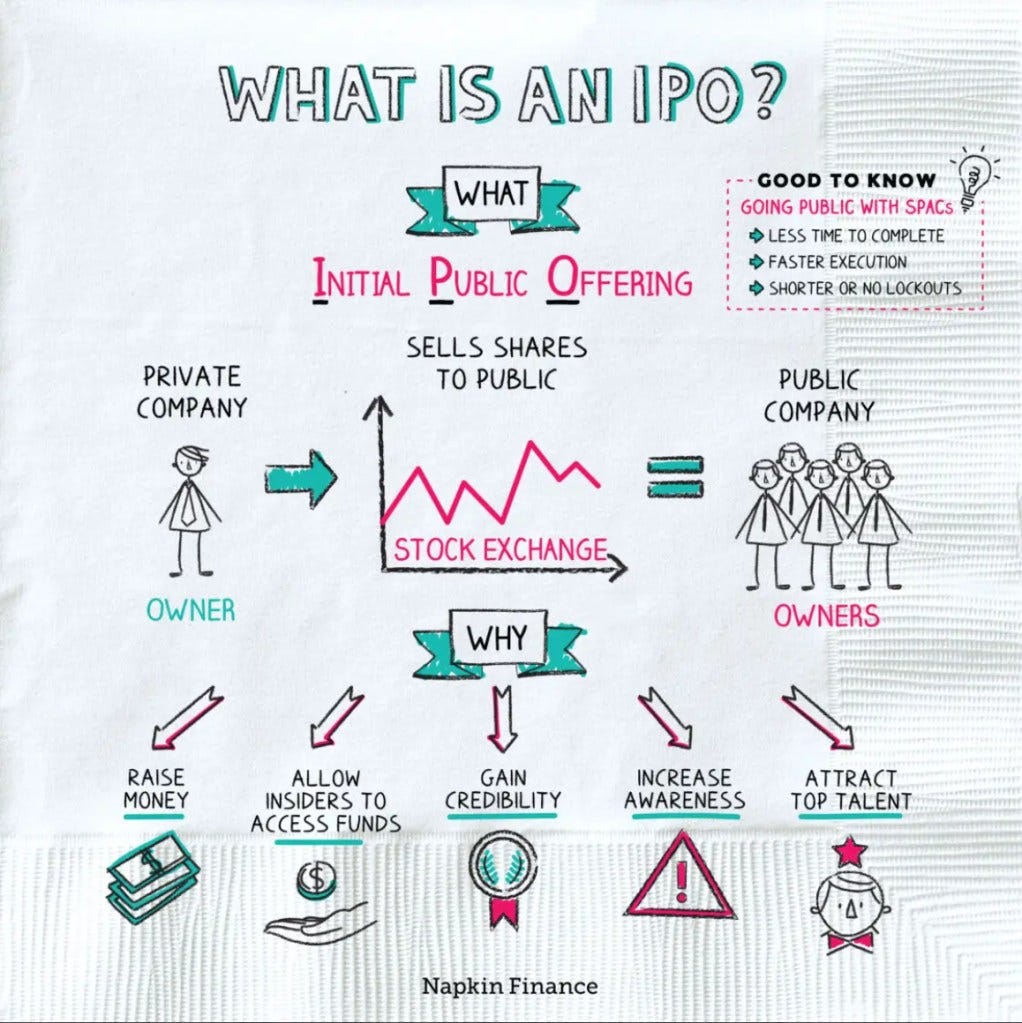
Why Do Private Companies Go Public?
Transitioning into a public company requires massive effort and transparency, but it yields immense benefits:
Massive Capital Injection: Selling shares generates enormous liquid cash to fund research, clear debts, or finance corporate expansions.
Founder and Early Investor Exit: Early venture capitalists, angel investors, and founders can finally cash out their equity to realize profits.
Employee Compensation: Public stock options make it much easier to recruit and incentivize top-tier talent with liquid equity.
Enhanced Status: Being listed on a major stock exchange provides a stamp of legitimacy and serves as a continuous, massive marketing boost.
The Step-by-Step IPO Process
The journey to an IPO is highly regulated and typically takes anywhere from six months to over a year. Here is how the transition unfolds:
1. Hiring the Underwriters
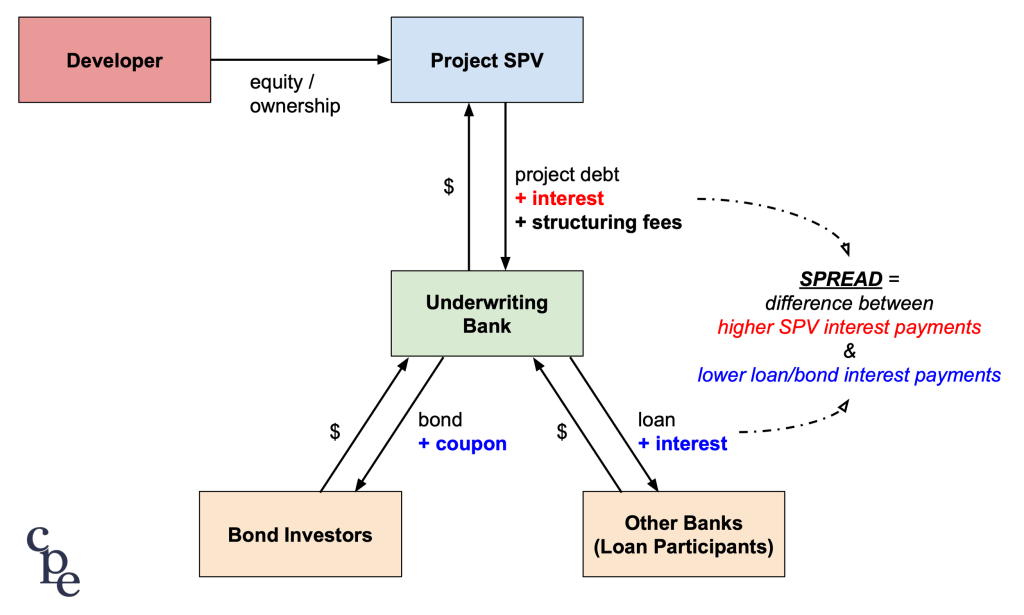
The company selects an investment bank (or a syndicate of banks) to act as underwriters. These financial experts handle the structural heavy lifting, handle regulatory compliance, and guarantee a baseline number of shares will be sold.
2. Registration and Regulatory Filings
The company works alongside its underwriters to draft and submit comprehensive financial disclosures to regulatory bodies, such as the U.S. Securities and Exchange Commission (SEC). The most vital document is the Form S-1, which functions as a detailed prospectus highlighting the company’s business model, historical financial statements, and potential risk factors.
3. The Roadshow and Book Building
Company executives and underwriters embark on a marketing tour known as a “roadshow”. They pitch the investment opportunity to large institutional entities like mutual funds and hedge funds. Based on the demand expressed during this phase (book building), the underwriter establishes the official initial offer price for the shares.
4. The Launch and Public Trading
On the scheduled IPO date, the company officially releases its shares. Major institutional buyers receive their allocated shares at the set offering price before the opening bell rings. Once the stock market opens, the ticker symbol debuts on the trading floor, and the shares begin fluctuating freely based on public supply and demand.
2. Registration and Regulatory Filings
The company works alongside its underwriters to draft and submit comprehensive financial disclosures to regulatory bodies, such as the U.S. Securities and Exchange Commission (SEC). The most vital document is the Form S-1, which functions as a detailed prospectus highlighting the company’s business model, historical financial statements, and potential risk factors.
3. The Roadshow and Book Building
Company executives and underwriters embark on a marketing tour known as a “roadshow”. They pitch the investment opportunity to large institutional entities like mutual funds and hedge funds. Based on the demand expressed during this phase (book building), the underwriter establishes the official initial offer price for the shares.
4. The Launch and Public Trading
On the scheduled IPO date, the company officially releases its shares. Major institutional buyers receive their allocated shares at the set offering price before the opening bell rings. Once the stock market opens, the ticker symbol debuts on the trading floor, and the shares begin fluctuating freely based on public supply and demand.
If you want to delve deeper into market mechanics, tell me:
Do you want to see a list of upcoming IPOs scheduled for this month?
Are you interested in learning about alternative paths like Direct Listings or SPACs?
Would you like tips on how to buy IPO shares through standard brokerage accounts?
Comments
Post a Comment